
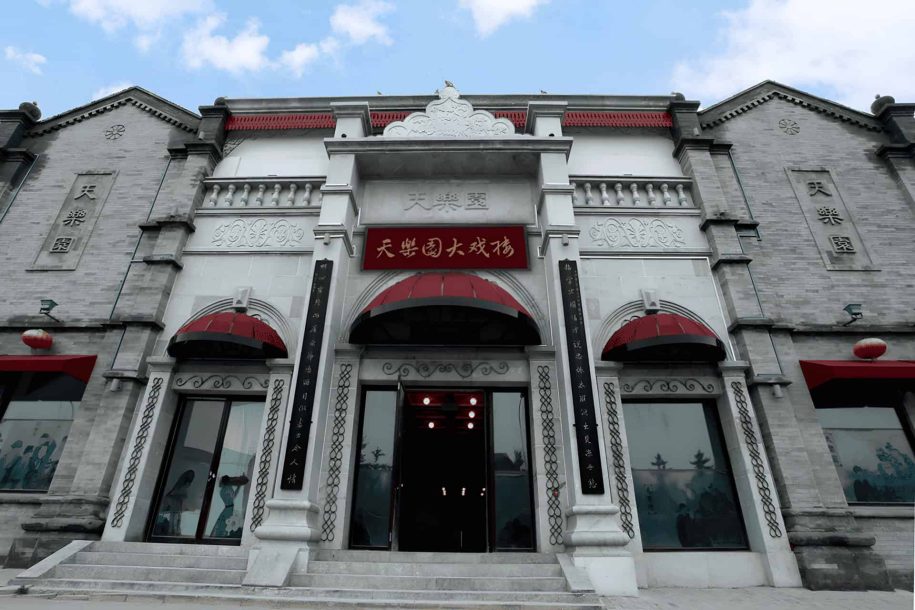
A Theatre Rooted in Beijing’s Cultural Heart
Tianleyuan Theatre holds a special place in the cultural history of Beijing. Long before modern theatres and commercial performance halls appeared, Tianleyuan began its life as a traditional tea garden theatre during the late Qing Dynasty—a time when Peking Opera was becoming the most influential theatrical form in China.
In those days, opera was not a luxury reserved for emperors or nobles. Tea gardens like Tianleyuan were vibrant social spaces where scholars, merchants, craftsmen, and travelers gathered. While sipping tea, audiences would listen to expressive vocals, watch symbolic gestures, and immerse themselves in stories drawn from Chinese history, folklore, and classical literature.
Tianleyuan quickly earned a reputation for authenticity. The performances held here were known for strict adherence to traditional opera techniques, including precise vocal styles, stylized movements, and elaborate costumes. This commitment to artistic integrity made Tianleyuan a respected name among both performers and audiences.
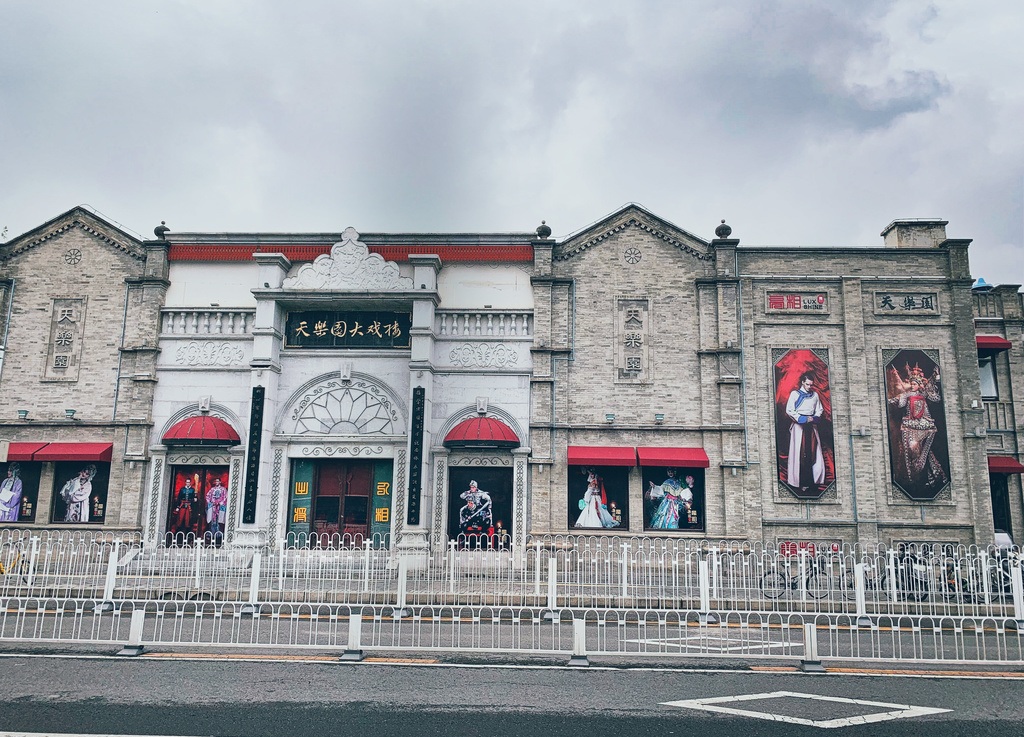
The Golden Age of Peking Opera on the Tianleyuan Stage
During the late 19th and early 20th centuries, Peking Opera reached its golden age. Tianleyuan Theatre became one of the important stages where opera artists refined their craft and gained recognition. Many seasoned performers, as well as rising young talents, appeared here, using the stage as a place to test new interpretations while honoring classical traditions.
Unlike large imperial venues, Tianleyuan offered an intimate setting. This closeness between performers and audience created a unique atmosphere: every movement of the sleeve, every shift in facial expression, and every note sung could be clearly seen and felt. For opera artists, performing at Tianleyuan was both a challenge and an honor.
Stories passed down among performers tell of actors rehearsing late into the night, perfecting a single movement or vocal phrase, knowing that Tianleyuan’s knowledgeable audiences would notice even the smallest detail. These unwritten traditions helped shape the discipline and artistry of Peking Opera as it is known today.
Endurance Through Change and Time
The 20th century brought profound changes to China and to Beijing itself. Wars, political transitions, and rapid urban development reshaped the city. Many traditional theatres disappeared during these turbulent years. Tianleyuan, however, survived.
Though the building and its surroundings evolved, the theatre’s mission remained unchanged: to preserve and present authentic Peking Opera. Generations of performers continued to pass down their knowledge here, ensuring that traditional singing techniques, role types, and symbolic stage language were not lost.
For many veteran opera artists, Tianleyuan represented continuity in an era of uncertainty. It stood as a reminder that cultural heritage could endure even as the world around it transformed.
Tianleyuan Theatre in the Modern Era
Today, Tianleyuan Theatre continues to honor its historical roots while welcoming audiences from around the world. The theatre remains dedicated to traditional Peking Opera, presenting classic repertoires that have been performed for centuries.
For international visitors, a visit to Tianleyuan offers more than a show—it provides insight into Chinese aesthetics, philosophy, and storytelling. Every element on stage carries meaning: colors symbolize character traits, movements express emotion, and music guides the rhythm of the narrative.
Unlike large commercial productions, Tianleyuan maintains an atmosphere close to its original tea garden spirit. Audiences are invited to observe the performance up close, gaining a deeper appreciation of an art form that relies on subtlety, discipline, and imagination.
A Living Heritage for Future Generations
Tianleyuan Theatre is not a museum frozen in time. It is a living cultural space where tradition continues to breathe. By supporting traditional Peking Opera and nurturing new generations of performers, the theatre plays an essential role in keeping this intangible cultural heritage alive.
Each performance at Tianleyuan connects the present to the past, allowing modern audiences to experience the same stories, emotions, and artistic expressions that once captivated Beijing residents more than a century ago.
In this sense, Tianleyuan Theatre is more than a venue—it is a bridge between history and modern life, preserving the soul of Peking Opera for generations to come.


Leave a Reply